

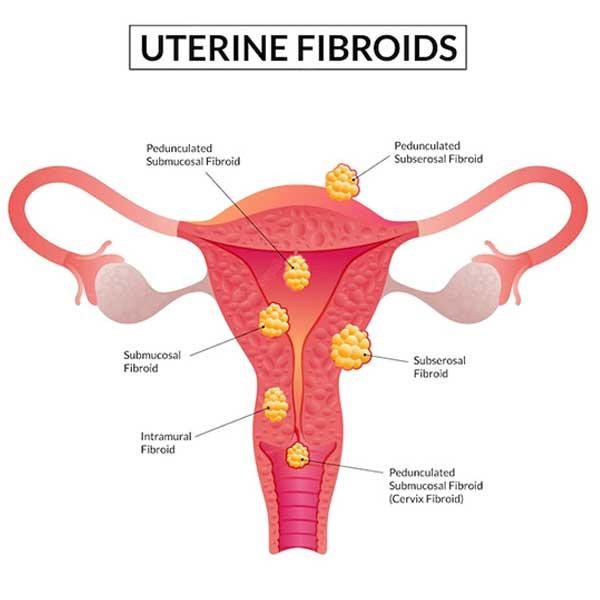
Fibroids are one of the common conditions that can affect women during their reproductive years. They are non-cancerous growths that develop in or around the uterus. Some women may have fibroids without noticing any symptoms, while others may experience heavy periods, pelvic pressure, abdominal discomfort or difficulty conceiving. If these symptoms are affecting your daily life, timely medical evaluation can help.
Uterine Fibroid Treatment in Chattarpur starts with understanding the size, location and number of fibroids along with the woman’s age, symptoms, fertility plans and overall health. Treatment is not necessarily the same for every woman.
What Are Uterine Fibroids?
Uterine fibroids are growths that develop from the muscle tissue of the uterus. They can vary significantly in size and location. Some remain small and cause no problems, while larger or strategically located fibroids may cause noticeable symptoms.
Common symptoms may include:
- Heavy or prolonged menstrual bleeding
- Painful periods
- Pelvic pressure or heaviness
- Lower abdominal or back discomfort
- Frequent urination due to pressure on the bladder
- Constipation in some cases
- Difficulty becoming pregnant in selected cases
A Fibroid Specialist in Chattarpur can assess these symptoms and determine whether they are related to fibroids or another gynecological condition.
When Should You See a Fibroid Doctor?
Heavy menstrual bleeding should not simply be considered a normal part of a woman’s period, particularly when it causes weakness, affects daily activities or continues for several cycles.
You should consider consulting a Fibroid Doctor in Chattarpur Delhi if you experience unusually heavy periods, persistent pelvic pain, pressure symptoms, irregular bleeding or fertility concerns.
Early assessment can help identify the problem before symptoms become more difficult to manage.
How Are Fibroids Diagnosed?
Diagnosis generally begins with a detailed medical and menstrual history followed by a gynecological evaluation. Depending on the symptoms, the doctor may recommend an ultrasound to understand the number, size and location of fibroids.
In some situations, additional investigations may be suggested. The purpose is not only to confirm the presence of fibroids but also to understand whether they are actually responsible for the symptoms.
This is an important part of Uterine Fibroid Treatment in Chattarpur, because treatment decisions should be based on the individual clinical picture rather than the scan report alone.
Treatment Options for Fibroids
Not every fibroid requires surgery. Treatment depends on symptoms, fibroid characteristics, age, medical history and future pregnancy plans.
Observation and Monitoring
Small fibroids that are not causing significant symptoms may sometimes be monitored through regular clinical assessment and imaging when appropriate.
Medicines
Medicines may be recommended to help manage symptoms such as heavy menstrual bleeding or pain. They may control symptoms but do not necessarily remove the fibroid itself.
Fibroid Removal Procedures
When fibroids cause significant symptoms or interfere with fertility, a Fibroid Treatment Specialist in Chattarpur may discuss procedural or surgical options. The appropriate approach depends on the fibroid’s location, size and the patient’s reproductive goals.
A Gynecologist for Fibroids in Chattarpur should explain the expected benefits, limitations and possible risks before any procedure is planned.
Fibroids and Fertility
For some women, fibroids may have an impact on fertility, particularly when they affect the uterine cavity or are associated with other reproductive problems. However, having a fibroid does not automatically mean that pregnancy will be difficult.
Women who are planning pregnancy should discuss their fertility goals during consultation. In such cases, Uterine Fibroid Treatment in Chattarpur should be planned carefully so that the treatment approach considers both symptom control and reproductive health.
Why Choose Dr. Shahida Naghma?
Dr. Shahida Naghma is a Fertility & IVF Specialist with clinical experience in reproductive medicine and women’s health. She completed her MBBS from Army College of Medical Sciences, Delhi, followed by an MS in Obstetrics & Gynecology from VMMC & Safdarjung Hospital.
She also completed a Clinical Fellowship in Reproductive Medicine at Sir Ganga Ram Hospital, Delhi. Her professional experience includes working as a Senior IVF Specialist and Consultant in fertility care.
Her approach focuses on understanding each patient’s medical history, symptoms and fertility goals before suggesting an appropriate treatment pathway. This personalized approach is particularly valuable for women who are concerned about how fibroids may affect future pregnancy.
Frequently Asked Questions
Can every fibroid be treated without surgery?
Not necessarily. Some fibroids can be managed with observation or medicines, while others may require a procedure depending on symptoms and location.
Do fibroids always cause symptoms?
No. Many women have fibroids without significant symptoms. Treatment is generally considered when fibroids are causing problems or have specific clinical implications.
Can fibroids affect pregnancy?
Some fibroids may affect fertility or pregnancy depending on their size and location, but many women with fibroids can conceive and have healthy pregnancies.
When should I seek treatment?
If you have persistent heavy bleeding, pelvic pain, pressure symptoms or fertility concerns, an evaluation can help determine whether treatment is required.
Conclusion
Uterine Fibroid Treatment in Chattarpur should be based on a woman’s symptoms, fibroid characteristics and personal health goals. While some fibroids only require monitoring, others may benefit from medicines or a suitable procedure.
Getting evaluated by an experienced gynecology and fertility specialist can help you understand your condition clearly and make an informed decision about treatment. With personalized care, women can address fibroid-related symptoms while keeping their long-term reproductive goals in consideration.