

For some couples undergoing IVF, creating embryos is only one part of the fertility journey. They may also want to understand whether an embryo has certain chromosome-related abnormalities before it is considered for transfer. This is where PGT testing with IVF in South Delhi may become relevant.
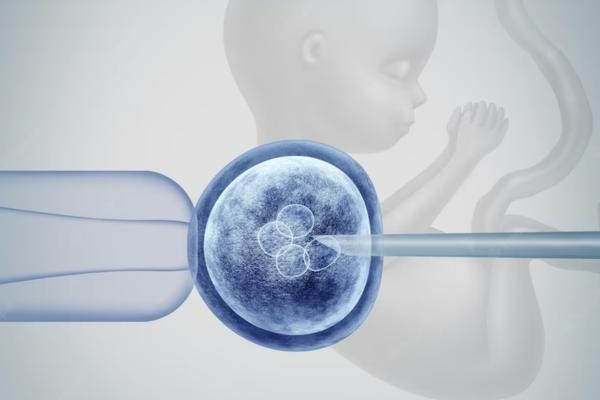
PGT, or Preimplantation Genetic Testing, is a laboratory-based genetic testing approach performed on cells taken from an embryo created through IVF. It can provide information about specific genetic or chromosomal conditions, depending on the type of PGT being considered.
What is PGT, and why is it used with IVF?
PGT testing with IVF in South Delhi involves creating embryos through an IVF cycle and testing some cells from an embryo before embryo transfer.
There are different forms of PGT. For example, PGT-A evaluates embryos for certain chromosome-number abnormalities, while PGT-M may be considered when there is a known risk of a specific inherited genetic condition. PGT-SR can be used in selected situations involving structural chromosome rearrangements.
PGT is not required for every IVF patient. Whether it is appropriate depends on factors such as medical history, reproductive history, parental genetics and the advice of a fertility specialist.
Who may be considered for PGT?
A fertility specialist may discuss PGT when there are particular clinical reasons to consider genetic or chromosomal testing. Depending on the circumstances, this may include:
- A known inherited genetic condition in the family
- A parental chromosome rearrangement
- Certain histories of recurrent pregnancy loss
- Previous pregnancies affected by specific genetic conditions
- Situations where a specialist believes genetic testing may provide useful information
It is important not to assume that PGT automatically improves the chance of pregnancy for every couple. The potential value of testing depends on the individual clinical situation.
How does PGT testing work during an IVF cycle?
The process generally follows several stages.
1. Fertility assessment: The IVF team first evaluates your reproductive health and discusses whether genetic testing is appropriate.
2. Ovarian stimulation: Fertility medicines are used to encourage the development of multiple eggs.
3. Egg retrieval and fertilization: Mature eggs are collected and fertilized in the laboratory to create embryos.
4. Embryo development: The embryos are monitored as they develop in the laboratory.
5. Embryo biopsy: In suitable cases, some cells are carefully removed from an embryo for genetic analysis.
6. Genetic testing: The biopsy sample is sent for the relevant genetic analysis.
7. Embryo selection and transfer planning: Based on the results and the overall clinical picture, the fertility team discusses which embryos may be suitable for transfer or storage.
Because PGT adds laboratory testing to an IVF cycle, the treatment plan, timeline and costs can vary from patient to patient.
Does PGT guarantee a healthy baby or pregnancy?
No. This is one of the most important points to understand before starting treatment.
PGT can provide valuable genetic information about embryos, but it does not guarantee implantation, pregnancy, a healthy baby or a live birth. The test also does not evaluate every possible health condition.
The significance of a result depends on the particular PGT test performed, the genetic condition being assessed and the laboratory’s testing methods. Genetic counseling may be recommended in appropriate cases to help patients understand what the results mean.
Choosing a PGT and IVF specialist in South Delhi
When looking for PGT testing with IVF in South Delhi, don’t focus only on whether a clinic offers the test. Ask how the fertility team approaches your complete situation.
A good consultation should include:
- A review of your fertility and pregnancy history
- An explanation of whether PGT is medically relevant for you
- Discussion of the type of PGT being considered
- Clear information about benefits and limitations
- Explanation of possible results and what they could mean
- Transparent discussion of the IVF process, timelines and costs
A personalized approach is particularly important because genetic testing should be used for an appropriate clinical reason rather than simply because it is available.
Why Dr. Shahida Naghma for fertility and IVF care?
Dr. Shahida Naghma is a Fertility & IVF Specialist with more than 10 years of clinical experience. Her published profile states that she completed her MBBS from the Army College of Medical Sciences, Delhi, followed by an MS in Obstetrics & Gynecology from VMMC & Safdarjung Hospital. She also completed a Clinical Fellowship in Reproductive Medicine from Sir Ganga Ram Hospital.
Her experience includes working as a Senior IVF Specialist and fertility specialist, with a clinical focus that includes assisted reproduction and fertility care.
For patients exploring PGT testing with IVF in South Delhi, an individualized consultation can help determine whether genetic testing is relevant to their particular reproductive history rather than treating PGT as a routine requirement for every IVF cycle.
Questions to ask before choosing PGT
Before proceeding, ask your fertility doctor:
- Why are you recommending PGT in my case?
- Which type of PGT is appropriate for us?
- What can the test detect, and what can it not detect?
- How will the results influence embryo-transfer planning?
- What happens if no suitable embryo is available for transfer?
- Should we meet a genetic counselor before testing?
FAQs About PGT Testing with IVF
Is PGT necessary for every IVF cycle?
No. PGT is not routinely necessary for every IVF patient. Its suitability depends on individual medical and genetic circumstances.
How long does PGT take during IVF?
The overall timeline varies because embryos need to develop, undergo biopsy and have the samples analyzed before transfer planning.
Can PGT detect all genetic diseases?
No. PGT is designed to assess specific genetic or chromosomal concerns depending on the test selected. It cannot screen for every possible medical condition.
Does PGT improve IVF success for everyone?
Not necessarily. The potential benefit varies according to the patient’s age, reproductive history, genetic circumstances and the specific type of PGT being performed.
Is PGT testing painful?
The embryo biopsy is performed in the IVF laboratory, not on the patient. Patients experience the procedures associated with the IVF cycle itself, such as ovarian stimulation and egg retrieval.
Where should I discuss PGT before IVF?
A consultation with an experienced PGT and IVF specialist in South Delhi can help you understand whether testing is appropriate and what its results could mean for your treatment.
Choosing PGT should be an informed decision rather than a routine step. If you are considering IVF and wondering whether genetic testing could be relevant to your situation, discuss your medical history and reproductive goals with a fertility specialist. PGT testing with IVF in South Delhi can be considered when there is an appropriate clinical reason, with realistic expectations and clear counseling throughout the process.